

MENU
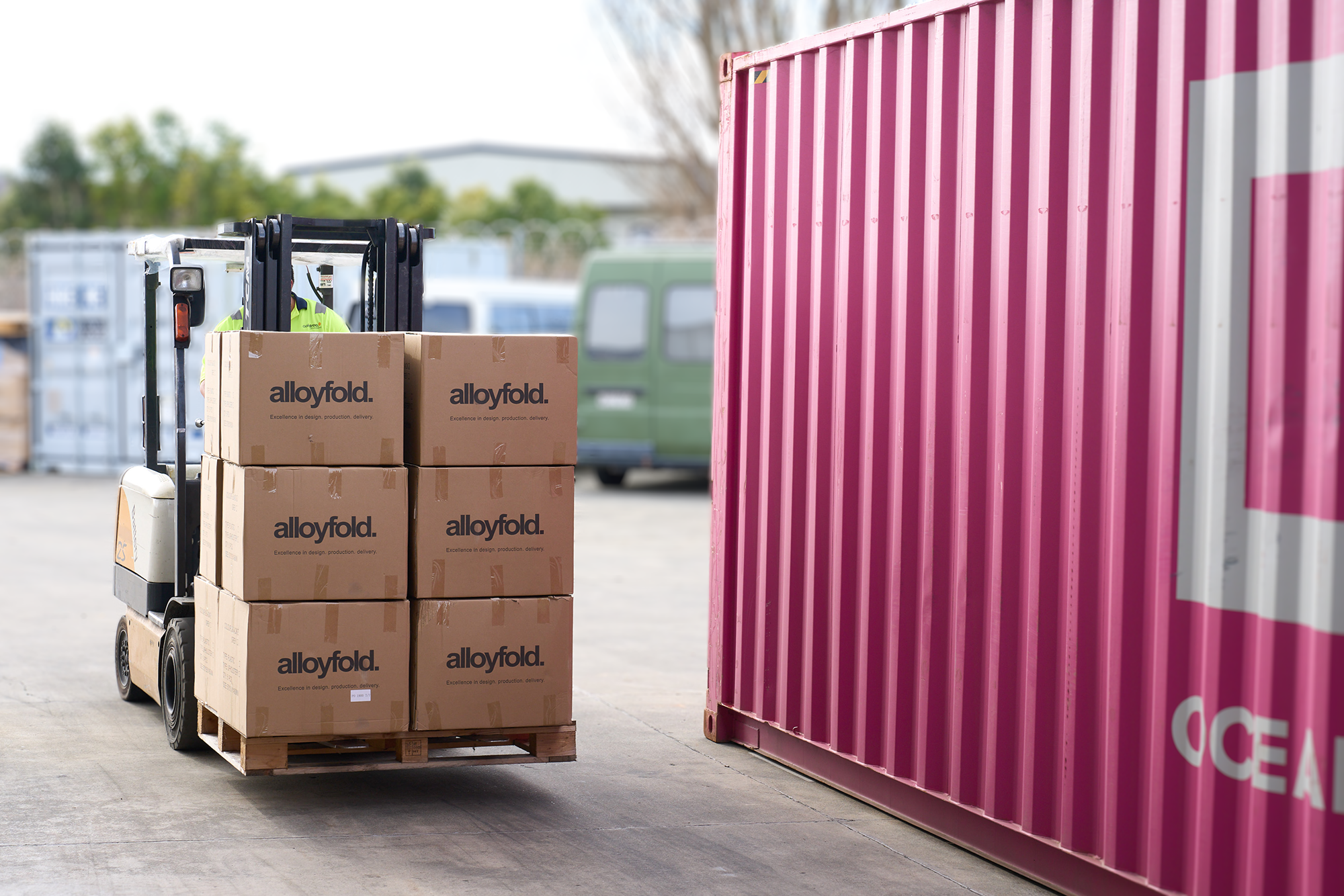
Most warehouse managers know when a container job goes badly. The crew does not show, the forklift is stuck on something else, the job runs three hours over and nobody's quite sure what happened.
What is harder to see is the slow bleed. A job that takes four hours instead of three. A crew that needs supervising. A cost that never appears as a line item but shows up, indirectly, every single week.
Container unloading efficiency is mostly invisible until something breaks. These three questions make it visible.
If you are regularly briefing new people on your site, your layout, your product handling requirements, you are paying for that time whether it appears on an invoice or not. A crew that already knows your dock, your SKU profile, and your staging requirements will consistently outperform one that is learning on the job.
High crew turnover on devanning work is almost always a symptom of the same thing: a casual labour model with no incentive for the worker to come back. Familiarity with a site has value. If the pay structure does not reward returning, you will keep training new faces.
A competent three-person container unloading crew should clear a standard 40-foot container loaded with 2,500 cartons and five or fewer SKUs in three to four hours. That is the benchmark: two workers in the box, one on the forklift, no unusual staging requirements.
If your container unloading is consistently taking longer, it is worth understanding why. The variables that affect devanning time are predictable: cargo weight, SKU complexity, container loading quality at origin, crew size, and whether the forklift is available when needed. None of them are mysteries.
As a working guide for container unloading time in New Zealand:
If your average is closer to the third figure than the first, the gap has a cost.
Most container unloading providers have a grace window — typically 30 minutes — before wait time charges apply. If your devanning crew arrives on schedule and your forklift is not available, or your dock is not ready, you may be absorbing costs that never show clearly on the devanning invoice but do show up on your transport and detention bills.
Carrier detention fees in Australia run from $100 to $250 per container per day once free time expires. A slow unload that pushes turnaround time into the next day can trigger those charges before anyone notices.
The question is not just how long the container takes. It is how much of that time is dead time, and who is paying for it.
The standard crew for container unloading in New Zealand is three people: two working inside the container moving and stacking cargo, and one operating the forklift to clear staged product. For heavier loads or tight staging requirements, a four-person crew is sometimes used.
Fewer than three people on a standard 40-foot load will almost always affect speed and increase the risk of injury.
If any of these questions surfaced a gap in how your current container unloading is running, it is worth a conversation. Oak Tree Devanning operates across Christchurch, Auckland, and Australia. Get in touch for a quote.